
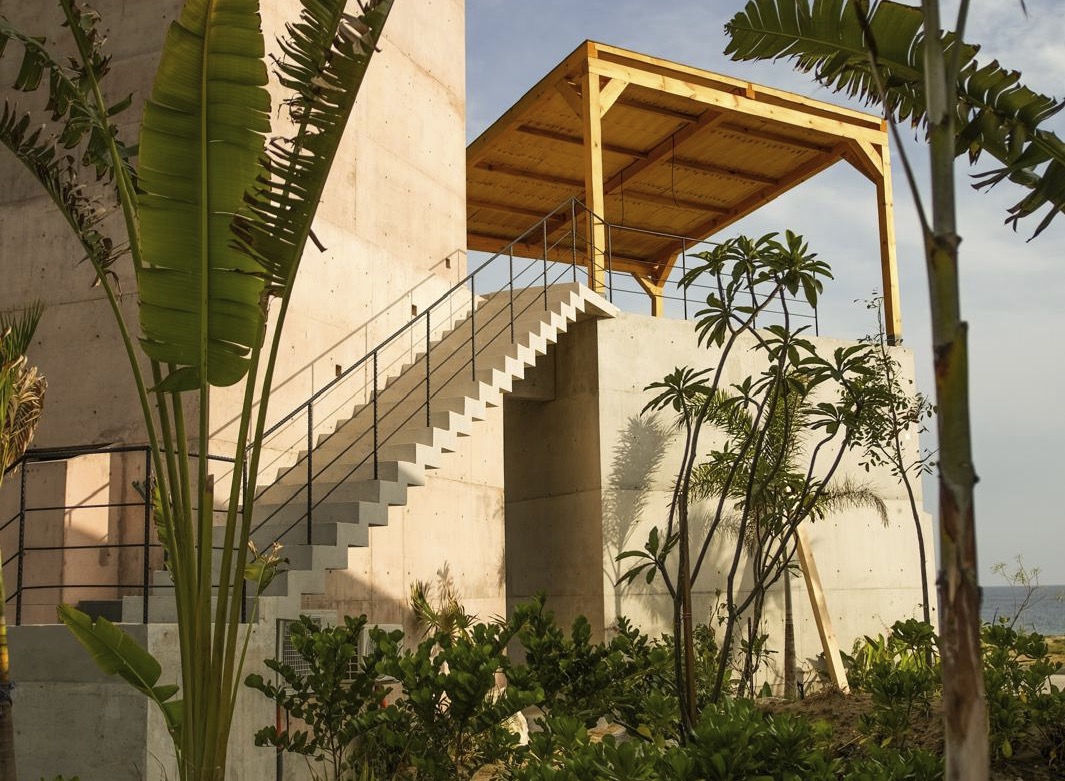
The Hidden Charms of Puerto Escondido Architecture
Puerto Escondido is more than a beach town in Oaxaca known for its big waves. It’s an architectural gem with an underrated food scene that invites you to slow down and connect with the environment.
BELO Design recently completed Casa Kuun in Puerto Escondido, Oaxaca. This is the first article in a 3-part series on Casa Kuun, where we’ll start by setting the scene and understanding the baseline of Puerto Escondido architecture. While Puerto is known for its surfing – Playa Zicatela and the “Mexican Pipeline” – there is more to the town than it lets on. Tropical brutalism architecture has taken root and is spreading, providing an artistic beach getaway that delivers on all the senses. Here’s our hot take on the 5 hidden charms of Puerto Escondido from an architectural perspective.
1. Puerto Escondido is intense, so it forces you to slow down.
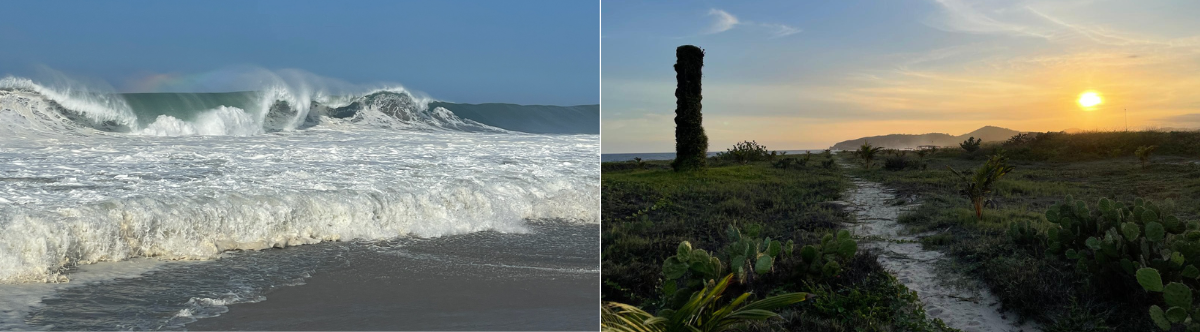
I’ve made many trips to Puerto Escondido. What stands out the most from my first visit? The raw intensity. The vast Pacific ocean with huge waves on one side and the dense tropical jungle on the other. It’s also hot, and the humidity from the rainy season from May to October makes it feel hotter. And yet, the pace is slow. It takes time to understand the rhythm, but then it forces you to slow down and enjoy. To sit on the beach and watch the sunset change colors.
2. The town is still evolving, so Puerto Escondido architecture invites you to experiment.
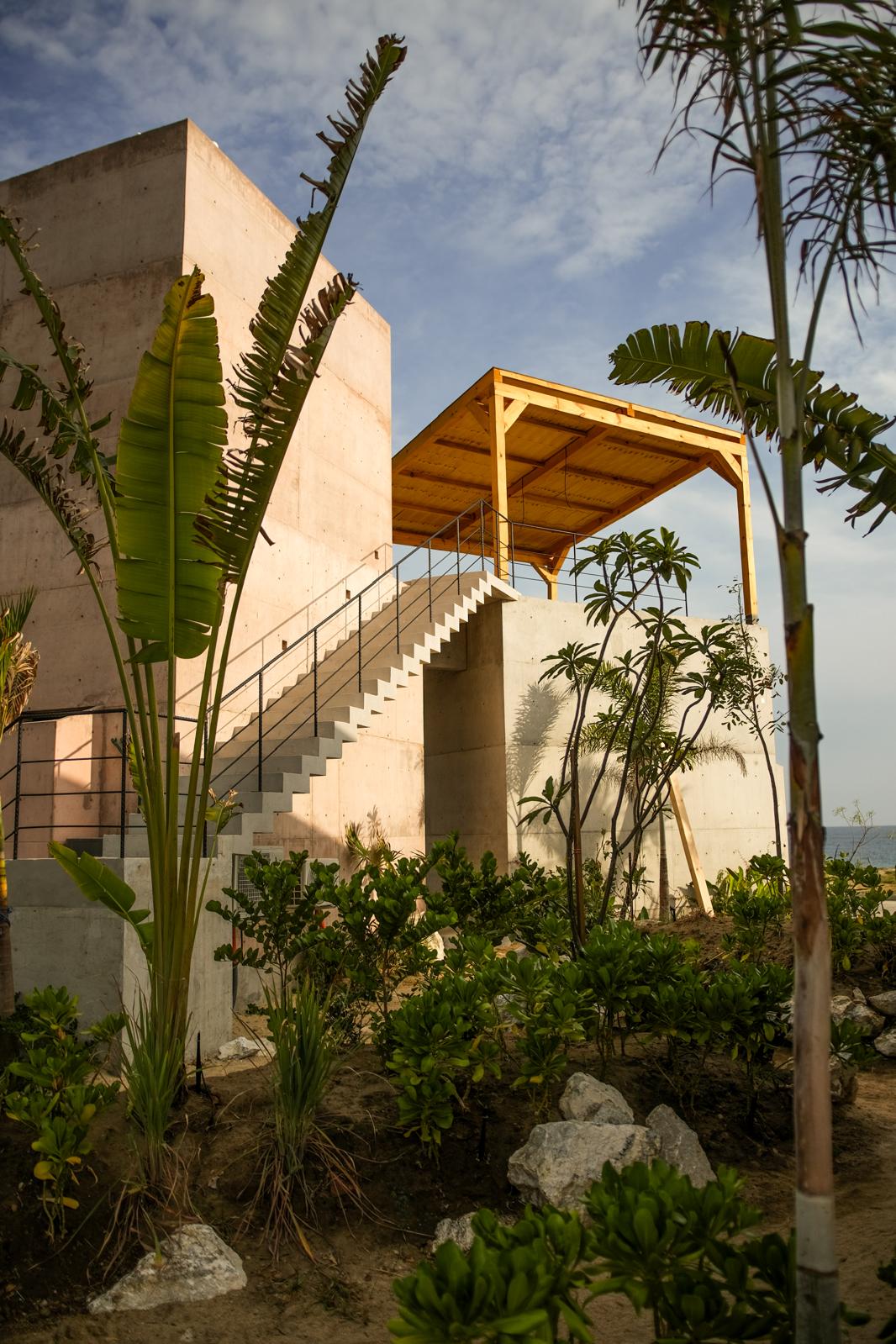
You may notice some roads are unpaved. It doesn’t feel like a developed beach town, filled with all-inclusive resorts. It’s not completely polished, and it’s that quality that leaves room to experiment. It gives us permission to do things differently; it provides a certain freedom. It was important to us and our clients to build something unique and not try to reproduce a design from elsewhere. We wanted Casa Kuun to be open with views of the ocean and for it to connect with its surroundings. It was designed to be an outward-focused experience allowing you to feel the wind, see the sunset, and hear the waves break. Buildings tell a story, and we have a responsibility to leave something unique behind that spans time, so 200 years from now people can see it and extract an idea of how we lived and what mattered to us. Puerto Escondido’s openness to more experimental designs leaves space for more of those voices.
3. Unlike the brutalist architecture of the 1950s, tropical brutalism architecture of Puerto Escondido is honest, like an open book.
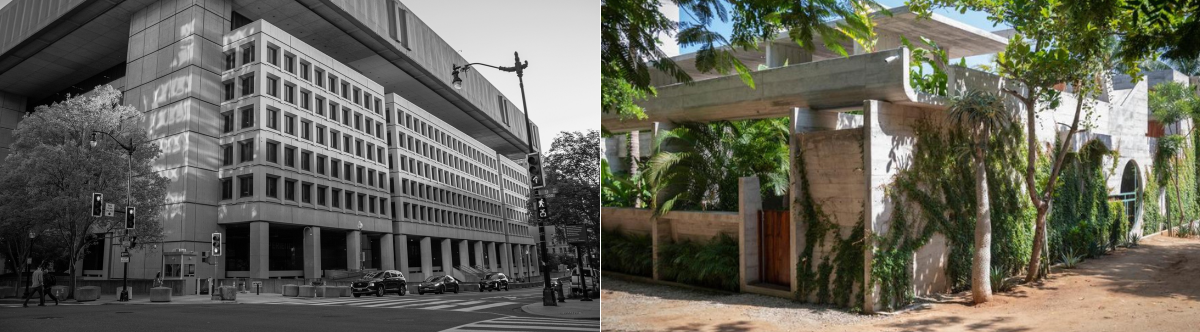
The FBI building is a quintessential example of mid-20th century brutalist architecture – imposing, concrete-heavy, monolithic, and uninviting. But tropical brutalism is more like an open book, accessible to the outside world and inviting connection. To contend with the elements, tropical brutalism uses a lot of concrete, which withstands the intense sun, heavy rain, and humidity. And Puerto Escondido's tropical brutalism integrates its use of concrete with aspects of its natural surroundings. Unlike traditional brutalism, we see no separation between inside and outside. It’s built to be solid and strong and honest – what you see is what you get.
There is an impressive concentration of thoughtful contemporary work in Puerto Escondido in the brutalist style that blends with the environment. Casa Wabi, designed by Pritzker prize winner Tadao Ando, played an important role in developing the art and architecture movement of the city. If you plan to visit, we recommend popping in to explore Casa TO, Hotel Escondido, Hotel Terrestre, Hotel Humano, and Casona Sforza for stunning and diverse interpretations of the style.
4. Puerto Escondido is authentic in its coexistence of different elements.
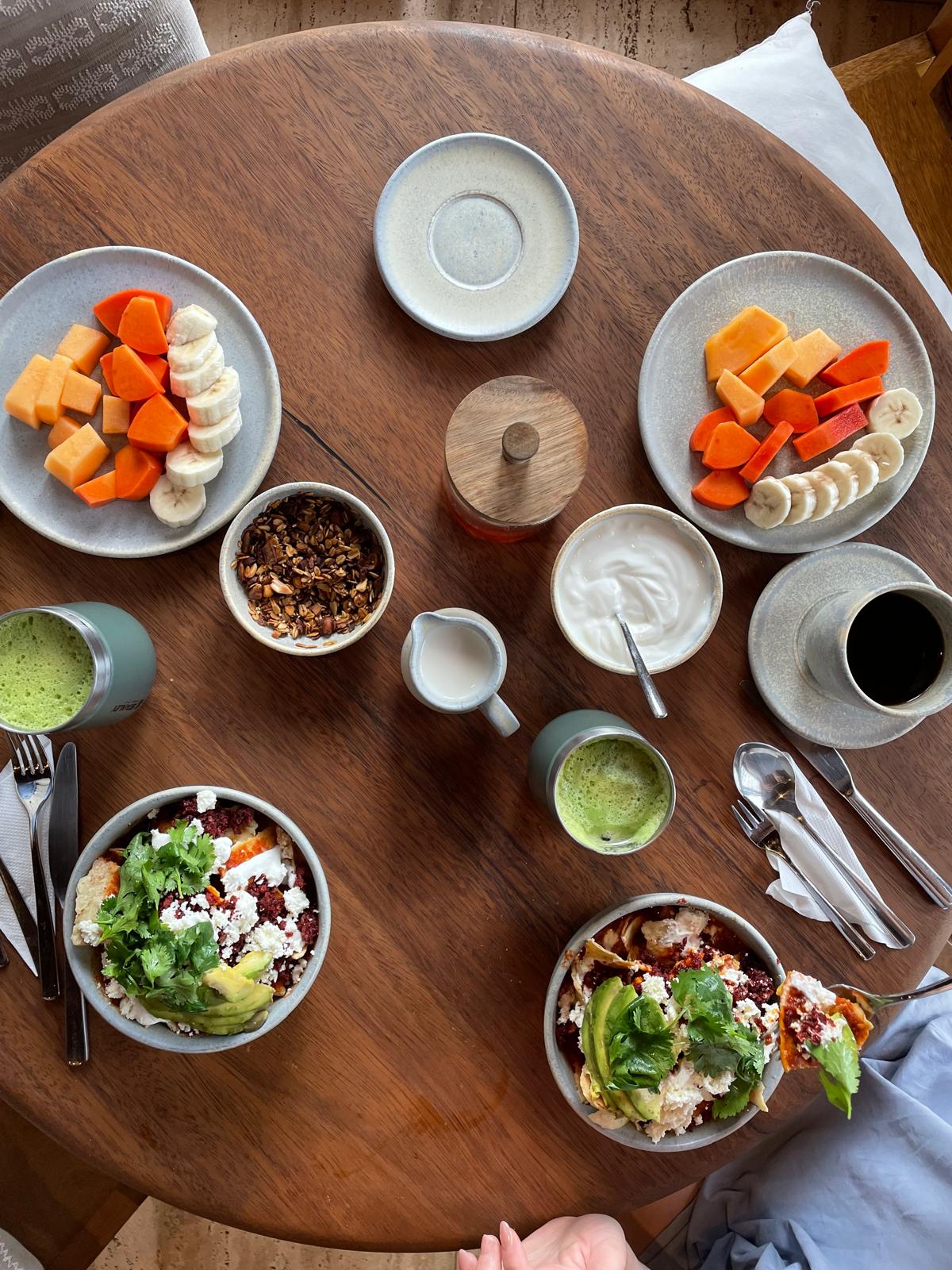
While a visit to more developed beach resorts like Playa del Carmen or Tulum might be more curated, Puerto Escondido might be described as more…unfiltered. Puerto has no strict aesthetic. It’s still a growing town. You can have an incredible meal at a thoughtfully designed restaurant like Glou-Glou then drive 5 minutes down an unpaved road and see a refrigerator being transported on a motorcycle. You can experience sophistication in art, architecture, and food coexisting alongside everyday life.
5. Don’t worry about making a “things to do” list for Puerto Escondido. It’s more about being and enjoying.
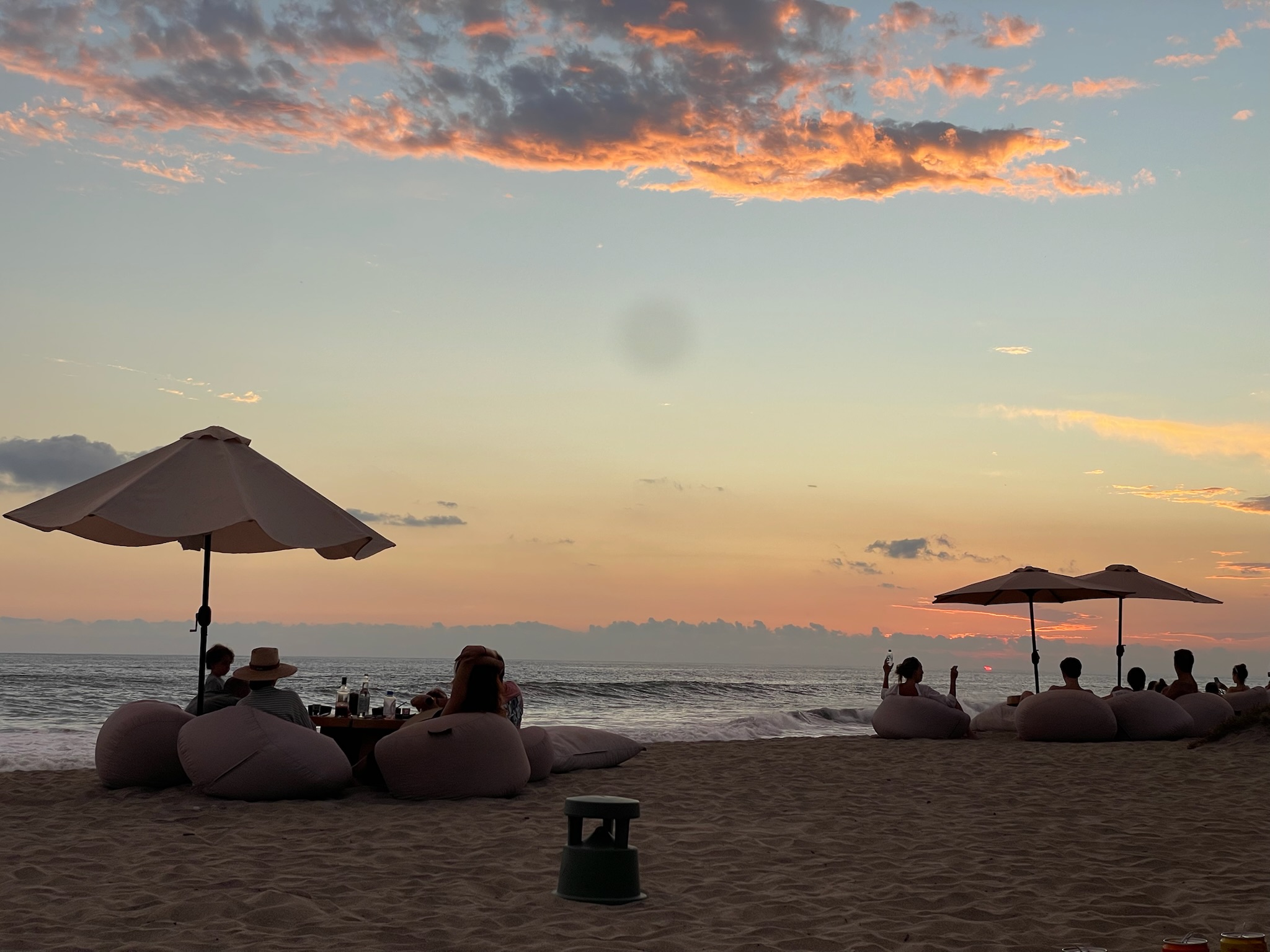
While there are plenty of “things to do” in Puerto Escondido, there is more to take in and enjoy. You don’t have to be a surfer to visit. The waves break close to the shore making it an excellent spot to watch others surf. You can easily fill your schedule with good food, from breakfast and pastries at Malagua, to fusion Peruvian ceviche at Chicama, to insanely good Japanese food at Kakurega Omakase. Plus, you can sip on some mezcal to wash it down. The town is approachable enough that after a few days you feel like a local. You can watch the sun set and then watch the stars appear. One of my favorite memories: being at the beach in the late afternoon, having fresh seafood that was caught in the morning, walking or driving around buildings built by architects I admire, and then sitting on the beach and seeing the sunset, how it changes colors…that’s what I would recommend.
Up next: we’ll explore the purpose of Casa Kuun – the homeowners’ goals and vision. Stay tuned!
